
Fiber: The Quiet Nutrient Your Gut, Heart and Joints Are Missing
Only about 1 in 20 Americans gets enough fiber. Here's what this overlooked nutrient does for your gut, heart, blood sugar and even your joints, and how to raise your intake without the bloat.
Protein gets the headlines. Supplements get the shelf space. But the nutrient most of my patients are quietly short on costs almost nothing, is sitting in the produce aisle, and touches nearly every system we care about — your gut, your heart, your blood sugar, your weight, and even the inflammation that shows up in sore joints and a cranky back. It’s fiber, and roughly 19 out of 20 American adults aren’t getting enough of it.
Fiber has a boring reputation. For decades it was the “keeps you regular” nutrient your grandparents stirred into orange juice. The research of the last ten years tells a much bigger story. Let’s walk through what fiber actually is, what it does once it reaches your gut, why a spine and joint doctor cares about it, and how to raise your intake without spending a miserable, bloated week doing it.
• ~5% — of U.S. adults meet the daily fiber recommendation
• ~17 g — average daily intake in the U.S.
• 25–38 g — recommended daily target (women–men)
• 15–30% — lower all-cause & cardiovascular mortality, highest vs. lowest intake
What Fiber Actually Is
Fiber is the part of plant foods your own digestive enzymes can’t break down. That sounds like a flaw. It’s actually the whole point: because you can’t digest it, fiber travels intact to your large intestine, where it becomes food for the trillions of microbes living there. Not all fiber behaves the same way, though. It helps to think of three families:
• Soluble fiber — Dissolves into a gel. Slows digestion, blunts blood-sugar spikes and helps lower LDL cholesterol. Oats, barley, beans, apples, citrus, chia.
• Insoluble fiber — Adds bulk and keeps things moving, easing constipation and straining. Whole grains, nuts, vegetable skins, leafy greens.
• Fermentable fiber & resistant starch — The favorite food of beneficial gut bacteria. Onions, garlic, leeks, slightly green bananas, cooked-and-cooled potatoes or rice, lentils.
Most whole plant foods contain a blend of all three, which is one more reason to get fiber from food first rather than from a single powder.
What Happens in Your Gut
When gut bacteria ferment fiber, they produce compounds called short-chain fatty acids — acetate, propionate and, most famously, butyrate. Butyrate is the primary fuel for the cells lining your colon. It helps keep that lining tight and healthy, and it sends calming signals to the immune system that lives right next to it. Roughly 70% of your immune tissue sits in and around the gut, so what happens there doesn’t stay there.
When fiber is scarce, the story flips. Some microbes, short on their preferred food, begin feeding on the protective mucus layer of the gut wall instead. A thinner barrier means more bacterial fragments slipping into circulation and more low-grade, body-wide inflammation. Population studies consistently link higher fiber intake with lower levels of C-reactive protein (CRP), a common blood marker of inflammation.
Dr. Don’s tip: count plants, not grams. The large citizen-science American Gut Project found that people who ate 30 or more different plant foods per week had more diverse gut microbiomes than those who ate 10 or fewer. Herbs, spices, nuts, seeds, beans and whole grains all count. Variety feeds a wider range of bacteria — and it’s a lot more fun than tracking grams.
The Big Picture: Heart, Blood Sugar and Longevity
In 2019, The Lancet published a major series of systematic reviews commissioned by the World Health Organization, pooling 185 prospective studies and 58 clinical trials spanning nearly 40 years. People who ate the most fiber had a 15–30% lower risk of dying from any cause and from cardiovascular disease than those who ate the least, along with lower rates of coronary heart disease, stroke, type 2 diabetes and colorectal cancer. The biggest benefits appeared at 25–29 grams a day or more, and the data suggested that going higher still offered additional protection.
Fiber also helps with weight in a practical, unglamorous way: fiber-rich foods take longer to chew, fill the stomach, slow digestion and keep blood sugar steadier, so you stay satisfied longer on fewer calories.
Why a Spine and Joint Doctor Cares About Fiber
This is where it connects to what we see every day at AHPTS. Three links stand out:
- Inflammation doesn’t respect boundaries. The same low-grade systemic inflammation that fiber helps calm is a known amplifier of pain sensitivity and joint degeneration. In an analysis of two large cohorts published in the Annals of the Rheumatic Diseases (the Osteoarthritis Initiative and the Framingham Offspring Study), people with the highest fiber intake had a roughly 30% lower risk of developing painful knee osteoarthritis than those with the lowest — and in the Framingham group the difference was even larger.
- Load matters. Every extra pound of body weight adds force through the knees, hips and lower back with every step. Because fiber supports healthy weight and steady blood sugar, it quietly reduces the mechanical load your joints and discs carry.
- Straining isn’t good for your back. Chronic constipation means repeated bearing down, which raises pressure through the abdomen, pelvic floor and lumbar spine. Many patients with low back discomfort notice they feel better overall when their digestion is regular. It’s not glamorous, but it’s real.
Where to Find It: Fiber All-Stars
• Lentils — 1 cup cooked — ~15 g
• Black beans — 1 cup cooked — ~15 g
• Chia seeds — 2 tablespoons — ~10 g
• Raspberries — 1 cup — ~8 g
• Pear (skin on) — 1 medium — ~5.5 g
• Broccoli — 1 cup cooked — ~5 g
• Avocado — ½ fruit — ~5 g
• Oatmeal — 1 cup cooked — ~4 g
Values are approximate and vary by variety and preparation.
What a 35-Gram Day Looks Like
Hitting your target doesn’t require a radical diet. Here’s one ordinary day:
• Breakfast: oatmeal with 1 tablespoon of chia and a handful of raspberries — about 13 g
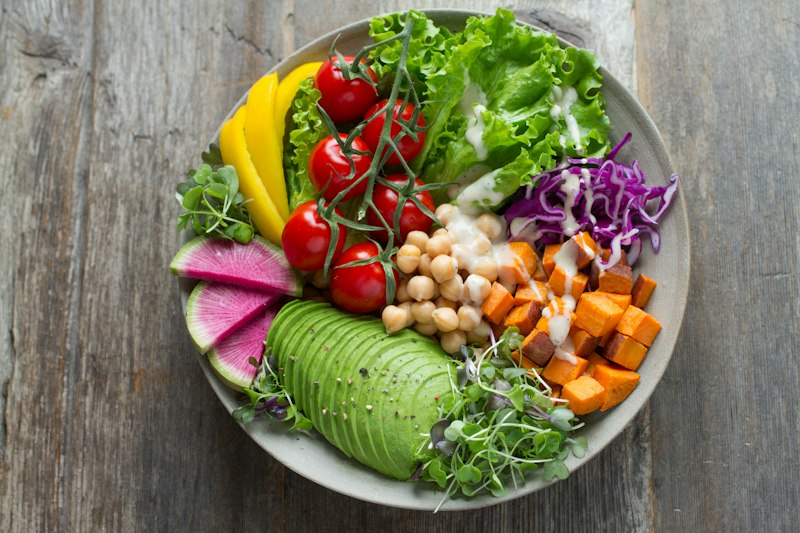
• Lunch: a big salad topped with ½ cup of black beans and ½ avocado — about 14 g
• Snack: a pear with a small handful of almonds — about 9 g
• Dinner: salmon or chicken with a cup of broccoli and a small serving of brown rice — about 7 g
That lands comfortably above 35 grams without a single supplement.
How to Ramp Up Without the Bloat
The number one mistake I see is going from 15 grams to 40 overnight. Your gut bacteria need time to adapt, and a sudden jump brings gas, cramping and bloating that convinces people fiber “doesn’t agree with them.” Go gradually:
Week 1 — Swap, don’t add — Trade white bread, rice or pasta for whole-grain versions. Add one piece of whole fruit a day. Roughly +4–5 g.
Week 2 — Bring in the beans — Add ½ cup of beans or lentils to one meal a day (soups, salads, tacos). Another +5–7 g.
Week 3 — Seeds and snacks — Stir chia or ground flax into oatmeal or yogurt; snack on nuts, berries or raw vegetables.
Week 4 — Diversify — Aim for 30 different plants across the week. Try a new vegetable, grain or legume every few days.
Drink more water as you go. Fiber, especially the soluble kind, pulls water into the gut. More fiber without more fluid can make constipation worse, not better. And stay active — a daily walk helps move things along too.
When to Adjust — or Get Checked
• Normal adjustment: mild gas or fullness for the first week or two as your microbiome adapts.
• Slow down: ongoing bloating or cramping, or a diagnosis of IBS — some people do better with a guided, lower-FODMAP approach and specific fiber types.
• See your physician: blood in the stool, a lasting change in bowel habits, unexplained weight loss, or severe abdominal pain. Also check in first if you have inflammatory bowel disease, a history of bowel obstruction, or take medications whose absorption fiber supplements may affect.
The Bottom Line
Fiber is one of the simplest, cheapest and best-supported tools we have for long-term health. It feeds the bacteria that keep your gut lining strong, helps quiet the chronic inflammation that fuels joint and back pain, steadies blood sugar, supports a healthy weight and is linked to a longer life. Start where you are, add a few grams each week, drink your water and fill your plate with color. Your gut — and your spine — will thank you.
Healthy Joints Start From the Inside Out. At AHPTS in Bernardsville, we look at the whole picture — movement, alignment, nutrition and lifestyle — to help you feel and move your best. Ready to build a plan that fits your body? Call or book online at ahpts.com/contact.
This article is for educational purposes and isn’t a substitute for individualized medical advice. Talk with your healthcare provider before making significant dietary changes, especially if you have a digestive condition.