
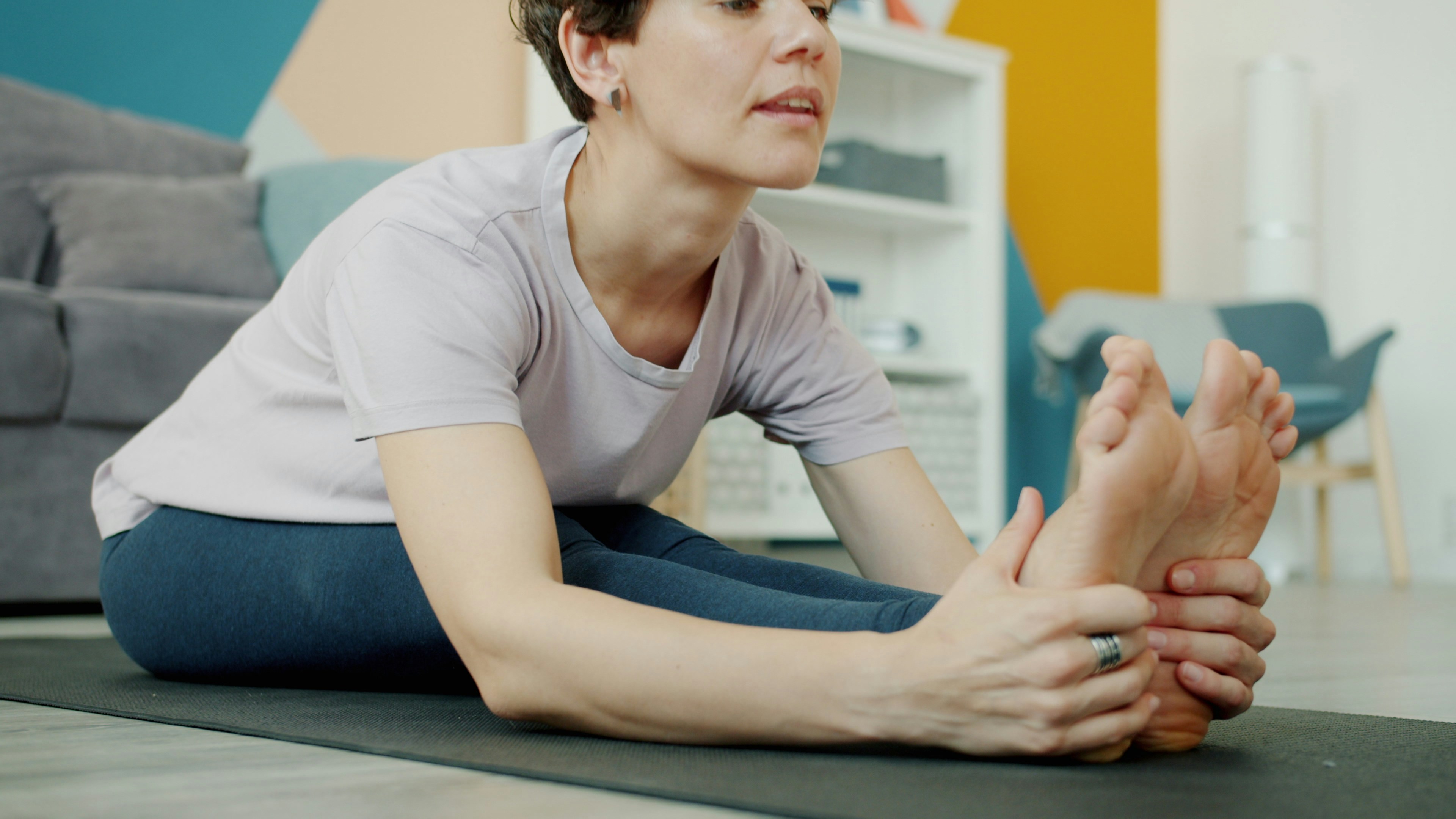
Does Stretching Actually Work? What the Science Says About Flexibility and Your Spine
Stretching is one of the most common health habits and one of the most misunderstood. Here is what the research really says about flexibility, soreness, injury and your spine, and a simple routine that works.
Almost everyone has been told to stretch: before a workout, after a workout, when your back is tight, when you sit too long. Yet ask ten people why they stretch and you will get ten different answers. Does it lengthen your muscles? Prevent injuries? Cure back pain? Here is what we tell patients in our Bernardsville office: stretching is genuinely useful, but not for the reasons most people think. Understanding what it really does will help you get more from far less time.
Let’s look at what the research says, which stretching myths deserve retirement, and how a few focused minutes a week can keep your hips, mid-back and neck moving well.
Stretching Changes Your Nervous System More Than Your Muscles
For decades we pictured stretching as pulling a muscle longer, like taffy. The research tells a different story. When people stretch regularly for several weeks, their range of motion improves, but the muscle itself changes very little. What changes is stretch tolerance: your nervous system gets more comfortable at the end of the range and stops sounding the alarm so early.
That is good news. It means flexibility is largely a conversation between your brain and your tissues, and that conversation can be improved by consistent, gentle practice. It also explains why you can touch your toes more easily after a few weeks without any change to your hamstrings that anyone could measure.
How Much Stretching Is Enough?
Studies comparing different doses suggest that about five minutes per week for a given muscle group produces measurable gains in range of motion, and that more time tends to help a bit more with diminishing returns. A practical version is two or three holds of 30 to 60 seconds, on a few days each week, for the areas that feel stiff. That is a small commitment compared with what most people assume they must do.
Consistency beats intensity. A comfortable stretch you do four times a week will outperform a heroic one you do once a month.
The numbers at a glance
5 min: per week, per muscle group, is roughly the dose reviews link to meaningful flexibility gains
30–60 sec: is the typical hold time used in studies showing improved range of motion
Less than 1 mm: average reduction in muscle soreness on a 100 mm scale from stretching before or after exercise (Cochrane review, Herbert 2011)
4.6%: average dip in force right after a single static hold longer than 60 seconds (Behm, 2016 review)
Myths Worth Retiring
Myth: stretching prevents soreness. A Cochrane review pooling a dozen trials found that stretching before or after exercise reduces next-day soreness by less than one point on a 100-point scale. Walking, easy movement and sleep do more for recovery.
Myth: you must stretch before every workout. Short static holds, under about a minute, do not appear to hurt performance, while very long holds can briefly reduce strength and power. For a warm-up, light cardio followed by movement that resembles your activity, such as leg swings or bodyweight squats, is a better choice.
Myth: stretching alone prevents injury. The evidence here is mixed. Programs that combine strength, balance and mobility reduce injuries more reliably than stretching by itself. Think of stretching as one tool in the box, not the whole box.
Four Stretches Worth Your Time
Hip flexor stretch: Half-kneeling lunge, tucking the tailbone under. Counters long hours of sitting.
Hamstring stretch: Heel on a low step, hinge forward with a long spine. Hold 30 to 60 seconds.
Calf and ankle stretch: Hands on a wall, back heel down, knee straight and then slightly bent.
Open-book rotation: Side-lying, rotate the top arm open to free the mid-back and ribs.
Stretching and Your Spine
Your spine is built to move, but it relies on neighbors. When the hips, ankles and mid-back are stiff, the lower back is often asked to move more than it was designed to. Tight hip flexors from long periods of sitting, for example, can tug on the pelvis and lumbar spine, while a stiff thoracic spine can push extra motion into the neck and low back.
That is why we often direct stretching away from the sore area and toward the joints above and below it. Pair it with strengthening, such as glute bridges and bird-dogs, so the new range is something you can control. Flexibility you cannot control is not much of a protection.
How Hard Should You Stretch?
Green: mild to moderate pull. A comfortable tension that eases as you breathe. This is the target zone.
Yellow: strong but tolerable. Intense pulling that stays steady. Back off a little for safer progress.
Red: sharp, pinching, tingling or numbness. Stop. Stretching should never produce nerve symptoms or sharp joint pain.
Hypermobile? Be careful. If you are naturally very flexible, more stretching is rarely the answer. Strength and stability matter more, and we can help you find the right balance.
A Simple Eight-Week Plan
Weeks 1–2: Find your tight spots: Two or three comfortable holds of 30 seconds, three days a week. Focus on hips, calves and mid-back.
Weeks 3–4: Add time and strength: Extend holds to 45 to 60 seconds and add glute bridges and bird-dogs to own your new range.
Weeks 5–8: Make it a habit: Tie stretching to something you already do, like coffee brewing or the evening news, and keep a few sessions each week.
The Bottom Line
Stretching is not magic, and it is not useless. It is a low-cost way to teach your nervous system that more range is safe, and it feels good when done gently. Spend five to ten minutes a few days a week on the areas that feel stiff, hold each stretch for 30 to 60 seconds, breathe slowly, and combine it with strength training and daily walking. That combination keeps you moving well for decades.
If you stretch faithfully and still feel stuck, tight or painful, there may be a joint restriction or movement pattern that stretching cannot fix. That is where a hands-on evaluation can help.
This article is for general education and is not a substitute for individual medical advice. Please see a qualified provider about your specific symptoms.
Ready to Move Better? Dr. Lavigne and the team at AHPTS in Bernardsville, NJ will help you find what is limiting your movement and build a plan that works. Book your visit at ahpts.com.