
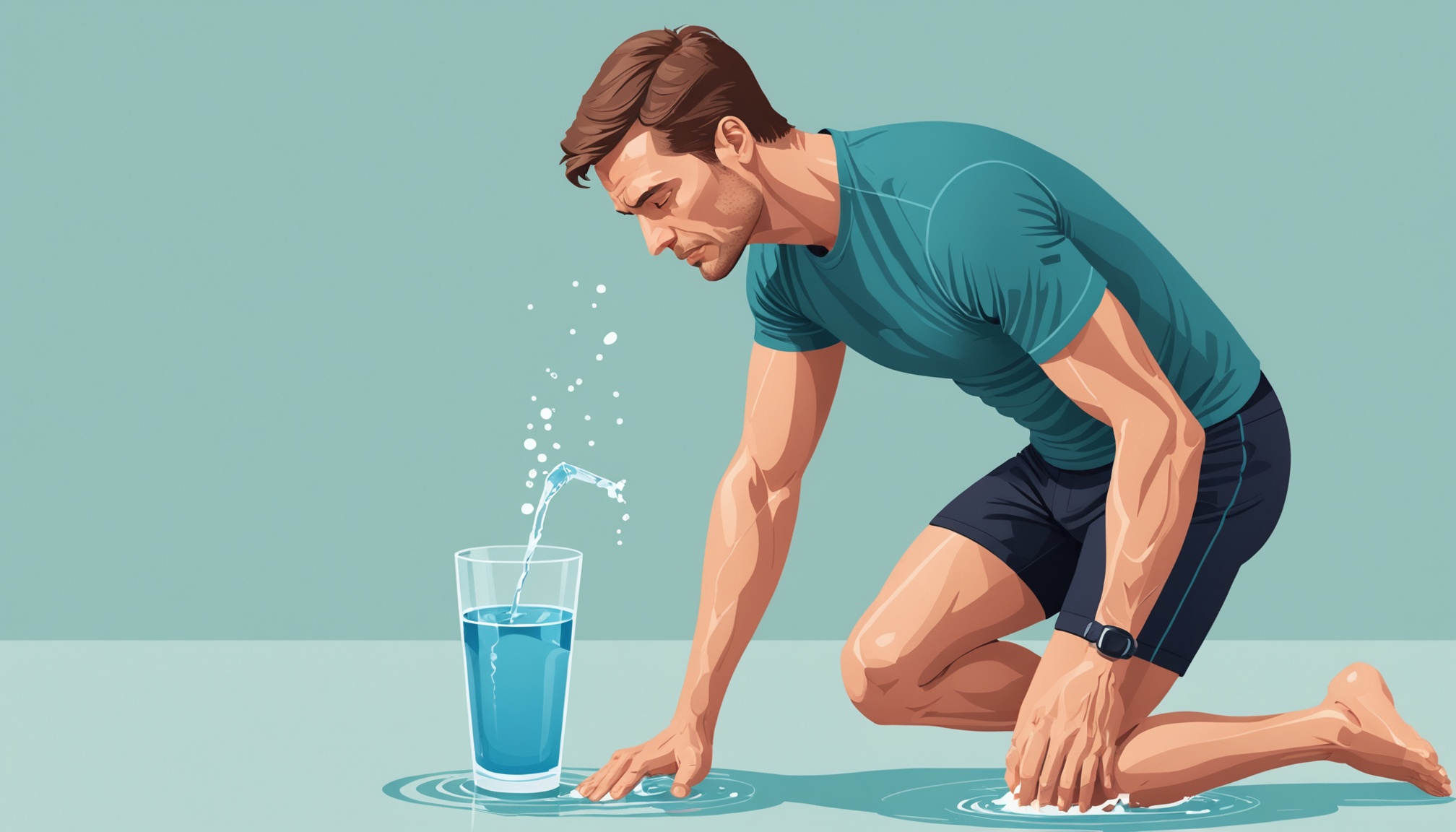
Your Body's Hidden Thirst: Water, Muscles, and Joint Pain
Feeling stiff or achy without an obvious reason? Chronic low-level dehydration may be quietly contributing to muscle tension and joint discomfort — here's how.
The Connection Most People Overlook
When muscles feel tight or joints begin to ache, most people reach for a heating pad or blame a bad night's sleep. Rarely does anyone think to reach for a glass of water. Yet the body's fluid balance plays a surprisingly significant role in how muscles contract, how joints move, and how well soft tissue recovers from everyday strain.
Dehydration does not have to be dramatic to cause problems. Research suggests that even mild, sustained fluid deficits — the kind that build quietly over the course of a busy day — can alter muscle function and joint mechanics in ways that are easy to mistake for other causes.
What Fluid Does Inside Muscles and Joints
Skeletal muscle is roughly 75 percent water by mass. That fluid is not passive — it participates actively in the cellular processes that allow muscle fibers to contract and, critically, to release. When fluid levels drop, the electrical signals that trigger muscle relaxation can become less efficient, and residual tension may linger longer than it should.
Cartilage, the smooth tissue that lines joint surfaces, has no direct blood supply. It draws nutrients and water from the surrounding synovial fluid through a process of compression and rebound — essentially squeezing and absorbing fluid with every movement. When overall hydration is low, synovial fluid volume can decrease, reducing that nutrient exchange and leaving cartilage less cushioned against everyday load.
Connective tissues such as tendons and fascia also rely on adequate hydration to maintain their glide and elasticity. Dehydrated fascia can feel restrictive and may limit the normal range of motion between adjacent muscle groups.
How the Body Signals Its Thirst — and Why We Miss It
The thirst mechanism is a late indicator. By the time a person notices they are thirsty, a meaningful fluid deficit may already exist. Several common habits quietly accelerate that deficit:
- Caffeinated beverages consumed without matching water intake
- Air-conditioned or heated indoor environments that increase insensible fluid loss
- Long periods of focused desk work, where breaks — and sips — are easy to skip
- Cooler weather, which dulls the thirst signal compared with summer heat
- Increased physical activity without a corresponding increase in fluid replacement
Older adults face an additional challenge: the thirst mechanism becomes less sensitive with age, making habitual drinking more important than relying on feeling thirsty.
The result of these overlapping factors is a state of low-grade, chronic under-hydration that many people live with for months or years without recognizing it as a variable in their physical discomfort.
Practical Hydration for Musculoskeletal Health
Adequate daily fluid intake is not a single universal number — it varies by body size, activity level, climate, and diet. That said, general guidance from health authorities suggests aiming for around eight to ten cups of fluid per day for most adults, with more on active days or in warm environments. Much of that can come from food; fruits, vegetables, and soups all contribute meaningfully to daily fluid totals.
A few straightforward habits may help sustain better hydration throughout the day:
- Keep a reusable water bottle at your workstation as a visual prompt
- Pair hydration with existing habits — a glass of water with every meal and before every coffee
- Monitor urine color: pale straw yellow is a reasonable everyday target; dark amber often signals a deficit
- Rehydrate proactively after exercise rather than waiting until thirst sets in
- In cooler months, warm beverages like herbal tea count toward fluid intake if plain water feels unappealing
Electrolytes — sodium, potassium, and magnesium in particular — support muscle function alongside fluid itself. For most people eating a varied diet, electrolyte needs are met through food. Those who exercise heavily or sweat significantly may benefit from including electrolyte-containing foods or beverages in their recovery routine.
Where Hydration Fits in a Broader Self-Care Picture
Improving hydration is rarely the complete answer to persistent muscle stiffness or joint discomfort, but it is one of the most accessible and underused variables available. It costs nothing, requires no equipment, and can be adjusted starting today.
That said, hydration works best as part of a broader approach that includes regular movement, appropriate rest, and attention to how load and posture affect the body over time. When stiffness or aching persists despite good sleep, reasonable activity, and consistent fluid intake, it is worth exploring whether other structural or neuromuscular factors are at play.
A physical therapist or chiropractor can assess movement patterns, tissue quality, and joint mechanics to determine whether dehydration is one piece of a larger puzzle — or whether additional support would help you move and feel better. If persistent stiffness or joint discomfort has been limiting your day, a consultation can help clarify what your body may actually need.